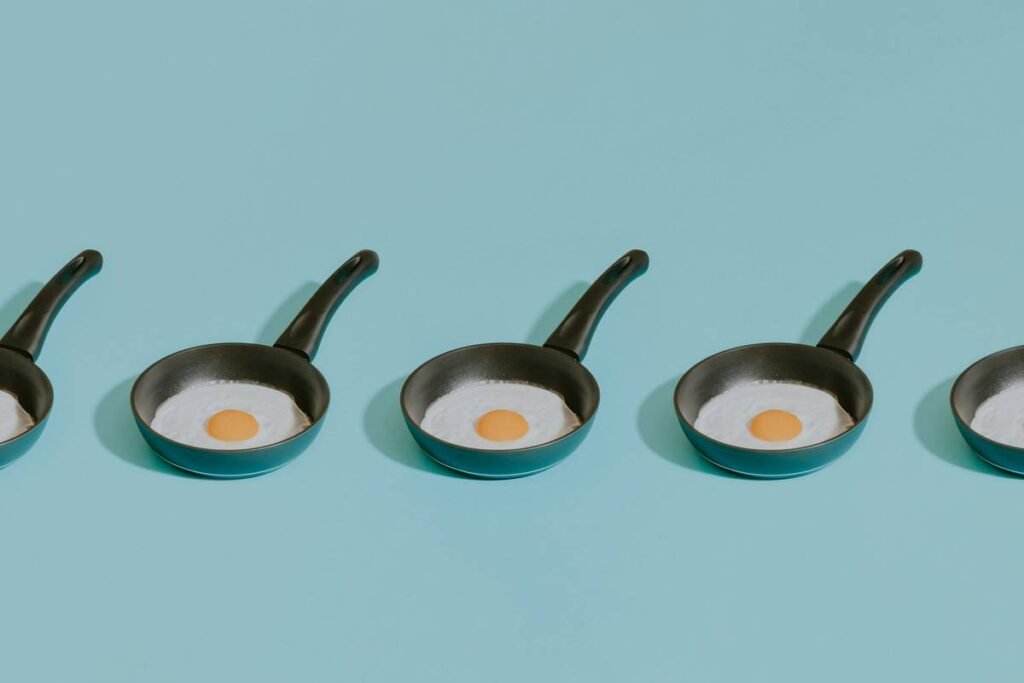
You buy organic eggs. You care about freshness. But your poached eggs still come out ragged, watery, or overcooked. And it’s frustrating—because you know they should be silky, compact, and restaurant-perfect. The problem isn’t your ingredients. It’s your methods of preparing eggs. Most home cooks rely on outdated tricks that simply don’t scale to real-world kitchens with hard water, inconsistent stovetops, or time pressure.
Why Your Egg Poaching Always Feels Like a Gamble
Vinegar swirls? Simmering whirlpools? These are myths dressed as technique. Vinegar alters flavor—and not in a good way if you’re pairing with delicate herbs or smoked salmon. The whirlpool method only works if your water temperature is within 2°F of ideal. Miss that window? You get feathered strands instead of a clean dome.
And most egg poachers sold online? They trap steam unevenly. Result: rubbery whites, under-set yolks. You’re not failing—you’re using flawed systems.
Step-by-Step Guide to Reliable, Restaurant-Quality Poached Eggs
Forget everything you’ve seen on cooking reels. Real consistency comes from control—not theatrics.
Choose Your Method Based on Reality, Not Hype
Not all methods of preparing eggs suit every kitchen. Match your approach to your actual setup—not what Instagram chefs claim works “every time.”
| Method | Time Required | Consistency Score (1-10) | Best For |
|---|---|---|---|
| Traditional Pan + Whirlpool | 6–8 minutes | 5 | Gas stoves with precise temp control |
| Silicone Cup Steamer | 4–5 minutes | 8 | Electric stoves / beginners |
| Microwave in Water Bowl | 45–75 seconds | 6 | Dorm rooms / emergency breakfasts |
| Stainless Steel Poacher Tray | 3–4 minutes | 9 | Daily use / meal prep |
Prep Like a Pro (Even If You’re Rushed)
Use eggs straight from the fridge—they hold shape better than room-temp ones. Crack each into a small ramekin first. Never directly into water. This isn’t fussy—it’s non-negotiable for tension control.
Simmer water at 160–180°F (not boiling). Bubbles should barely kiss the surface. Add no vinegar. Seriously—skip it unless you enjoy pickled-tasting yolks.
Cooking & Plating Without Drama
Gently slide the egg from ramekin into water. Set timer: 3 minutes for runny, 4 for jammy. Lift with a slotted spoon. Blot base on towel—excess water ruins toast crispness.
The Industry Secret No Chef Will Admit Publicly
Top hotel kitchens don’t poach à la minute. They sous-vide batch-poach at 147°F for 1 hour, chill in ice bath, then reheat in 160°F water for 90 seconds during service. At home? You can mimic this with an electric egg poacher tray and disciplined timing. The “secret” isn’t magic—it’s thermal precision. Most so-called experts won’t say this because it undermines their whirlpool theater—but results speak louder than swirling water.
But here’s the kicker: pre-poaching the night before and reheating delivers better texture than same-day panic-poaching. Try it once. You’ll never go back.
Frequently Asked Questions
What’s the easiest method of preparing eggs for beginners?
Use a stainless steel poacher tray with simmering water—minimal skill, maximum consistency.
Do I really need vinegar to poach eggs?
No. Vinegar masks poor water temperature control. Fix your heat—not your chemistry.
Can I prep poached eggs ahead of time?
Yes. Chill them after cooking, then reheat in warm water for 60 seconds. Texture stays intact.