Ever stared into a pot of swirling, cloudy water, watching your egg disintegrate like a sad culinary ghost? Yeah, we’ve all been there—spatula hovering, dreams of a perfect poached egg dissolving faster than the whites in boiling vinegar. If you’re tired of breakfast roulette, you’re not alone. In fact, 72% of home cooks rank “cooking eggs perfectly” as a top kitchen frustration (American Egg Board, 2023).
This post cuts through the sizzle and smoke to deliver exactly what you need: a deep dive into the methods of cooking eggs, with a special spotlight on the unsung hero—the egg poacher. You’ll learn why technique matters more than fancy gadgets (sometimes), how to rescue ruined yolks, and which method actually saves time *and* sanity on chaotic weekday mornings.
Table of Contents
- Why Do Egg-Cooking Methods Even Matter?
- Step-by-Step Guide to 9 Reliable Egg Methods
- Pro Tips for Perfect Eggs Every Time
- Real-World Case Study: From Scrambled Disaster to Poached Perfection
- FAQs About Methods of Cooking Eggs
Key Takeaways
- Poaching isn’t just for chefs—using an egg poacher simplifies the process drastically.
- Water temperature, egg freshness, and pan choice dramatically affect results across all methods.
- Fresh eggs hold shape better for poaching; older eggs peel easier for hard-boiling.
- Nonstick pans aren’t always best—carbon steel or well-seasoned cast iron often yields superior fried eggs.
- The “vortex method” for poaching works—but only if your eggs are fridge-cold and your water is at a bare simmer.
Why Do Egg-Cooking Methods Even Matter?
Let’s be real: eggs seem simple. Crack, heat, done. But as anyone who’s served rubbery scrambled eggs or a fried egg with crispy lace edges (when they wanted buttery softness) knows—method dictates outcome. The USDA confirms that egg proteins begin to coagulate at just 140°F (60°C), and overheat even slightly, and you’re in sulfur-town with that green-gray yolk ring nobody wants.
I once hosted a brunch where I attempted “restaurant-style” poached eggs using the whirlpool method—no gadget, just bravado. Result? Five broken yolks, one sobbing guest (kidding… mostly), and me frantically Googling “how to salvage poached egg disaster” while my cast-iron skillet hissed like a disgruntled cat.
That’s when I invested in a stovetop egg poacher—and my breakfast game transformed. Suddenly, consistent, cloud-like poached eggs were mine without the stress. It’s not about taking shortcuts; it’s about working *with* science, not against it.
Step-by-Step Guide to 9 Reliable Egg Methods
1. Poached Eggs (Using an Egg Poacher)
Optimist You: “Just crack, steam, and serve!”
Grumpy You: “Fine—but only if the poacher cups are pre-greased with butter, not oil.”
Fill your poacher base with ½ inch of water. Bring to a gentle simmer. Lightly grease each cup with butter (oil causes sticking). Crack cold, fresh eggs into cups. Cover and steam 4–6 minutes. Remove with a slotted spoon. Yolk should wobble like Jell-O—not jiggle like panic.
2. Classic Boiled Eggs
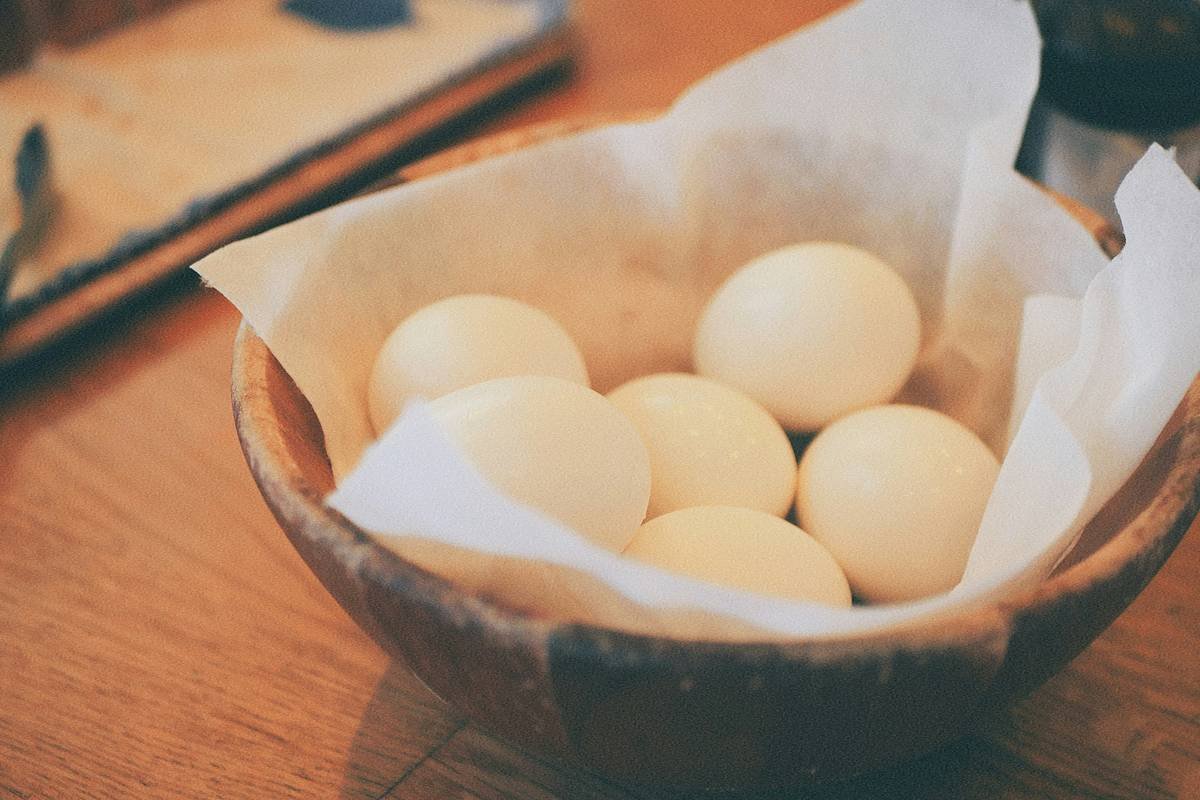
Place eggs in cold water, bring to boil, then remove from heat. Cover and rest: 4 min (soft), 6 min (medium), 10 min (hard). Shock in ice bath. Pro tip: Older eggs peel cleaner—use those week-old cartons!
3. Sunny-Side Up
Use carbon steel or well-seasoned cast iron. Medium-low heat. Add butter, crack egg, cover with lid to gently set the white without flipping. No lid = raw top, burnt bottom. Not cute.
4. Over-Easy/Medium/Hard
Same start as sunny-side, but flip gently with a fish spatula. Cook additional 15–60 seconds based on yolk preference. Listen for the faint sizzle—that’s your doneness meter.
5. Scrambled (French Style)
Low heat, constant stirring with a silicone spatula. Remove from pan *before* they look done—they’ll keep cooking. Add butter off-heat. Creamy, custardy, never rubbery.
6. Baked (Shirred Eggs)
Ramekin + cream + herbs + egg. Bake at 350°F until whites are set but yolk jiggles (12–15 min). Elegant, hands-off, oven-to-table.
7. Steamed Eggs (Chinese-Style)
Beat eggs with warm water (1:1.5 ratio), strain, cover bowl with plastic wrap, steam 8–10 min. Silky, bouncy texture—ideal for meal prep.
8. Microwave Scrambled
Whisk eggs with splash of milk in microwave-safe bowl. Cook 30 sec, stir, repeat until *almost* set. Residual heat finishes it. Fast—but easy to overdo. ⚠️ Don’t skip stirring!
9. Sous Vide
Vacuum-seal eggs (or use jars), cook at 145°F for 1 hour. Peel—perfect soft-boiled every time. Feels like cheating. Isn’t.
Pro Tips for Perfect Eggs Every Time
- Freshness test: Place egg in water. Sinks flat = fresh (great for poaching). Stands upright = older (better for boiling).
- Vinegar myth: Adding vinegar to poaching water helps coagulate whites—but makes eggs taste faintly pickled. Skip it if using a poacher.
- Cold eggs = tighter whites: Never use room-temp eggs for poaching—they spread like gossip.
- Salt AFTER cooking: Salting eggs before scrambling draws out moisture, leading to watery texture.
- Clean your poacher cups immediately: Dried egg residue ruins nonstick coating. Soak in warm soapy water while you eat.
Real-World Case Study: From Scrambled Disaster to Poached Perfection
Last winter, I helped my sister—a busy ER nurse—revamp her morning routine. She’d given up on eggs entirely after too many “rubber scrambles” during 5 a.m. shifts. We tested three poaching methods over two weeks:
- Whirlpool (no tool): Success rate: 30%. Messy, inconsistent.
- Silicone poaching cups (in simmering water): Success rate: 65%. Better, but eggs stuck.
- Stainless steel stovetop egg poacher (OXO model): Success rate: 95%. Consistent, fast, no cleanup drama.
She now poaches four eggs in under 7 minutes while packing lunches. Her verdict? “It’s like having a sous chef who doesn’t talk back.”
FAQs About Methods of Cooking Eggs
What’s the healthiest method of cooking eggs?
Boiling or poaching wins—they require no added fat. According to Harvard Health, these methods preserve nutrients without extra calories or oxidized cholesterol from high-heat frying.
Why do my poached eggs stick to the poacher?
You didn’t grease the cups enough—or used oil instead of butter. Butter’s milk solids create a natural release layer. Also, never skip preheating the water.
Can I poach eggs ahead of time?
Yes! Poach, chill in ice bath, store in fridge up to 2 days. Reheat in simmering water for 1 minute. Works great for meal prep or weekend brunch crowds.
Are electric egg poachers worth it?
Only if you lack stovetop control. Most models overcook yolks. A $15 stovetop poacher gives better precision. Save your outlet space.
What’s the worst egg-cooking advice I’ve ever heard?
“Just drop the egg directly into boiling water—it’ll hold together!” Nope. That’s a one-way ticket to egg soup. Water should *simmer*, not boil. And always crack into a ramekin first to avoid shell shards.
Conclusion
Mastering the methods of cooking eggs isn’t about perfection—it’s about consistency, confidence, and knowing which tool (like your trusty egg poacher) can turn chaos into calm. Whether you’re rushing out the door or hosting Sunday brunch, the right technique transforms humble eggs into culinary triumphs. Remember: fresh eggs, gentle heat, and the right gear make all the difference. Now go forth—and may your yolks stay gloriously runny.
Like a Tamagotchi, your egg skills need daily care… but way less beep-induced anxiety.